Choosing where to stay in Tokyo can feel harder than choosing a hotel. The city is enormous, several neighborhoods work well for visitors, and the “best” area changes with your itinerary.
For most first-time visitors, Shinjuku is the best all-round base, especially if nightlife and easy access to western Tokyo matter. Choose Shibuya for a younger, more energetic atmosphere; Tokyo Station or Ginza for shinkansen convenience and a polished central location; Asakusa for traditional scenery; or Ueno for practical transport, museums and often better value.
The most useful rule is simple: stay near a station that matches the places you plan to visit most. Saving one transfer twice a day can matter more than saving a few minutes on one famous sightseeing route.
Quick answer: which area should you choose?
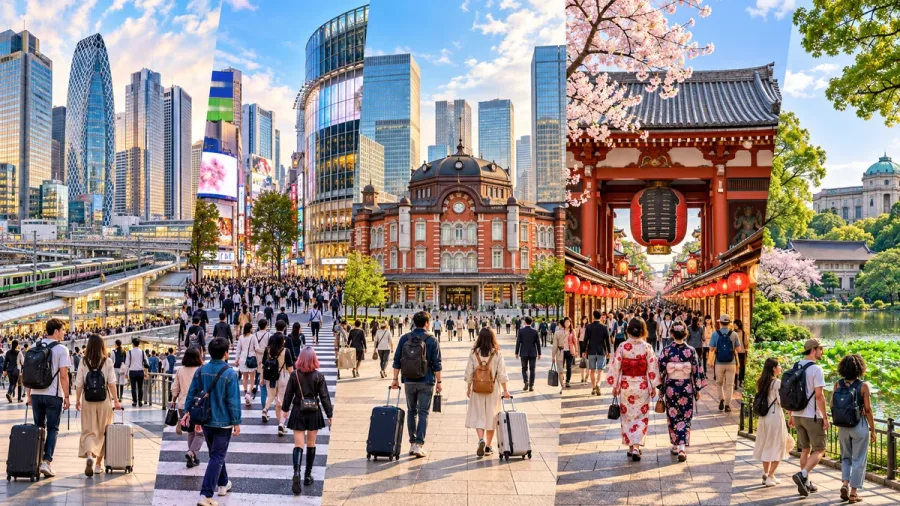
Shinjuku: Best all-round choice for transport, dining and nightlife
Shibuya: Best for fashion, cafés, nightlife and western Tokyo
Tokyo Station / Marunouchi / Ginza: Best for shinkansen trips, refined shopping and a calm central base
Asakusa: Best for a traditional atmosphere and eastern Tokyo
Ueno: Best for museums, Narita access and practical value
If two areas still seem equally good, compare three things: your arrival airport, your first and last sightseeing days, and whether you want lively evenings or quiet nights.
1. Shinjuku: the best all-round base
Shinjuku works well for travelers who want one neighborhood with extensive rail connections, department stores, restaurants and late-night energy. It is especially convenient for Shibuya, Harajuku, the west side of Tokyo and many day-trip routes. The Shinjuku Expressway Bus Terminal is also useful for some highway-bus journeys.
The trade-off is the station itself. Shinjuku is huge, and the east, west and south sides feel like different districts. A hotel described as “near Shinjuku” may still require a long walk or a different station entrance.
Before booking, check the walking route on a map and identify the nearest exit. If you have large luggage, a hotel close to a smaller neighboring station such as Shinjuku-sanchome can sometimes feel easier than a property on the far side of the main station.
Choose Shinjuku if: you want nightlife, many dining choices and easy access to western Tokyo.
Think twice if: large stations make you anxious or you prefer quiet evenings.
2. Shibuya: best for energy, fashion and nightlife
Shibuya puts you close to the famous crossing, fashion streets, cafés and nightlife. It also gives convenient access to Harajuku, Omotesando and Daikanyama, while rail and subway lines connect it to many other parts of the city.
Compared with Shinjuku, Shibuya often feels more focused on youth culture and modern Tokyo. It is a strong choice for travelers who expect to spend several evenings in the area and do not want a long ride back after dinner.
Construction and multiple station levels can make navigation confusing, so check which side of the station your hotel is on. Hotels around quieter nearby areas such as Ebisu may offer a calmer night while keeping Shibuya within easy reach.
Choose Shibuya if: cafés, shopping, nightlife and contemporary Tokyo are central to your trip.
Think twice if: you want a traditional neighborhood or plan frequent early-morning shinkansen trips.
Which Tokyo area fits your trip?
Tokyo Station, Asakusa and Ueno suit very different travel styles. Your best choice becomes clearer when you look beyond the station name and imagine your actual morning and evening routine.
3. Tokyo Station, Marunouchi or Ginza: best for shinkansen convenience
This area is ideal if Tokyo is part of a longer Japan itinerary. Tokyo Station is a major shinkansen gateway, so staying nearby can make an early departure for Kyoto or Osaka much easier. Marunouchi has modern offices, shopping and an orderly atmosphere; nearby Ginza adds department stores, restaurants and elegant streets.
The area is central, but it may feel less lively late at night than Shinjuku or Shibuya, and accommodation can be expensive. Also check the exact station named in the listing: a hotel in Ginza may be closer to a subway station than to Tokyo Station itself.
If your trip continues west, read my Osaka, Kyoto & Nara itinerary for first-time visitors before fixing the number of nights in each city. If you are still choosing your Kansai base, this Osaka or Kyoto comparison will help.
Choose this area if: you value shinkansen access, a polished central location and quieter evenings.
Think twice if: nightlife is a major part of your Tokyo plan or you are working with a tight hotel budget.
4. Asakusa: best for traditional Tokyo
Asakusa is centered on Sensoji Temple, Kaminarimon Gate and streets with long-established shops. Early mornings can be especially pleasant, before the main sightseeing crowds arrive. The neighborhood is also convenient for Tokyo Skytree and other parts of eastern Tokyo.
The main compromise is travel time to western districts such as Shinjuku and Shibuya. A day that combines several western Tokyo sights may involve more time on trains and subways. Asakusa also has several stations operated by different companies, so confirm the exact line and station nearest your hotel.
Choose Asakusa if: traditional scenery, relaxed mornings and eastern Tokyo are priorities.
Think twice if: most of your plans are around Shibuya, Harajuku and Shinjuku.
5. Ueno: best for museums, Narita access and practical value
Ueno combines a major transport hub with Ueno Park, museums and the lively Ameyoko shopping streets. It is convenient for Asakusa and Akihabara, and Keisei Ueno offers a direct Skyliner connection with Narita Airport. That makes the area particularly practical for travelers arriving at or departing from Narita.
Ueno often feels more straightforward than Shinjuku or Shibuya, although the streets around the station vary. The park side is different from the busier Ameyoko side, so choose according to the atmosphere you prefer.
Choose Ueno if: you want museums, easy access to eastern Tokyo or a practical Narita route.
Think twice if: you want Tokyo’s most fashionable nightlife immediately outside your hotel.
How your airport changes the decision
From Narita Airport, the Narita Express serves Tokyo, Shibuya and Shinjuku, while Keisei services connect the airport with Nippori and Keisei Ueno. This gives Ueno a clear advantage for a simple Narita journey, but a direct train is not the only factor: hotel-to-station walking distance still matters.
From Haneda Airport, rail connections lead toward Shinagawa and Hamamatsucho, with onward links across Tokyo. If you have an early flight, consider the complete door-to-terminal route rather than choosing a neighborhood only because it appears central on a map.
Airport services and timetables can change. Check the official airport and railway websites shortly before travel.
How many hotel bases do you need in Tokyo?
Most first-time visitors do not need to change hotels within Tokyo. The time spent packing, checking out and moving luggage usually cancels out the small transport advantage of a second base.
A split stay can make sense when:
you have a very early departure from a different side of the city;
you are staying in Tokyo before and after a regional trip;
you deliberately want two contrasting neighborhood experiences.
Otherwise, choose one well-connected area and learn your nearest station and exit.
A simple booking checklist
Before confirming a Tokyo hotel, check:
The real walking time from the station entrance, not only the distance to the station marker
Whether the route has stairs, pedestrian bridges or long underground passages
The last part of your airport journey with luggage
Your first sightseeing destination on two or three mornings
Food options near the hotel after 9 p.m.
Room size and whether open luggage will block the walkway
Laundry facilities if Tokyo falls in the middle of a longer trip
My recommendation for a first Tokyo trip
Choose Shinjuku if you want the safest all-round answer and do not mind a complex station. Choose Tokyo Station or Ginza if your Japan trip includes an early shinkansen and you prefer a polished, central base. Choose Shibuya when nightlife and modern culture lead your plans, Asakusa for traditional atmosphere, and Ueno for museums and a convenient Narita connection.
Do not search for a neighborhood that is perfect for every sight. Tokyo is too large for that. Choose the area that makes your most important mornings and evenings easy, then use the city’s extensive rail network for the rest.