Hello, this is Taiwan Freshman.
I made a Taiwanese friend and exchanged LINE contacts. I want to try communicating in the Taiwanese language.
I want to post on social media for a Taiwanese audience.
I have to create a flyer for Taiwanese inbound tourism for work.
…However, there may be times when you think, "My budget and time are limited, and I can't get help from Taiwanese staff. Since we have to do it ourselves for now, let's use a translator or ChatGPT to write the text."
Or, some of you might think, "Isn't the language in Taiwan Taiwanese?"
In this article, the Taiwan Freshman editorial department will introduce three basics of "Taiwanese language" that you should definitely grasp when you start getting involved with Taiwan.
The 3 Basics of "Taiwanese Language"
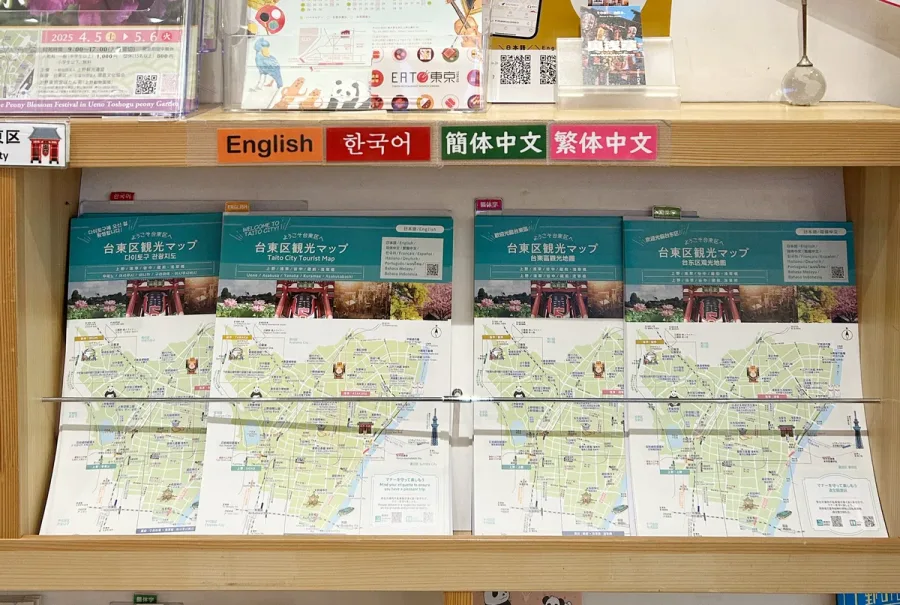
1. Use Traditional Chinese
The most important point is to use "Traditional Chinese." When you search for Taiwanese language in Japan, it is often explained that "Chinese is used."
However, if you translate directly using "Chinese translation" on the web, it will almost always be translated into "Simplified Chinese."
When using translation functions, be sure to select "Traditional Chinese."
For example, if you are posting on social media for a Taiwanese audience and you use Simplified Chinese, Taiwanese people will feel that "it was created by someone who doesn't know much about Taiwan," which lowers the credibility of the information. Using Traditional Chinese also leads to showing respect for your Taiwanese friends and customers.
2. The Chinese used in Taiwan is "Taiwanese Mandarin"
When many Japanese people hear "Chinese," they imagine the Chinese of mainland China (also called Mandarin or Putonghua). On the other hand, what is used in Taiwan is a type of Chinese called "Taiwanese Mandarin," which has differences from the Chinese of mainland China.
To use an English analogy, it is the difference between American English and British English. There are differences in vocabulary, grammar, phrasing, and pronunciation.
For example, in terms of vocabulary, instant noodles are "方便面" in China and "泡麵" in Taiwan. Yogurt is "酸奶" in China and "優格" in Taiwan. Taxis are "出租车" in China and "計程車" in Taiwan, and so on. There are many others.
Because there are so many differences like this, if you are going to ask a native speaker to translate for a Taiwanese audience, it is best to ask a Taiwanese person.
3. "Taiwanese" and "Taiwanese Mandarin" are different languages
You may see announcements for Japanese books saying "The Taiwanese version has been released in Taiwan!", but in reality, it is almost always a "Chinese (Taiwanese Mandarin)" version.
In Taiwan, Taiwanese Mandarin is called "Guoyu" or "Zhongwen," while Taiwanese is distinguished by the name "Taiyu." Taiwanese is a language often used, especially in southern Taiwan, and is frequently used by the elderly. Among the younger generation, there are more people who "can understand it but cannot speak it."
Summary of the 3 Basics of "Taiwanese Language"
1. Use Traditional Chinese
2. The Chinese used in Taiwan is "Taiwanese Mandarin"
3. "Taiwanese" and "Taiwanese Mandarin" are different languages
Just as you feel a sense of closeness when a foreigner sends you a message in Japanese, the attitude of respecting the other person's language and culture is important for building trust.
To everyone getting involved with Taiwan for the first time, let's start communicating using Traditional Chinese.
Taiwan Freshman Library
Taiwan-related books recommended by Taiwan Freshman.
If you want to know more about "Taiwanese language," start with this book.
"Culture Language: Beyond Ni Hao. Tanaka-style Communication Techniques for Enjoying Taiwan Travel"
【Recommended Points】
A brand new introduction to Taiwanese Mandarin by author Yusuke Tanaka, who has been delivering Taiwanese culture to Japan for over 13 years!
This book is packed with the hands-on experiences that Mr. Tanaka has gained while living in Taiwan. Pay attention to the casual and realistic content that textbooks won't teach you. It is recommended not only for beginners but also as a book for Taiwanese Mandarin learners who are tired of textbooks and want to learn in a fun way from a different perspective.
text Taiwan 1st Grader
OfficialInstagram
@taiwan1nensei