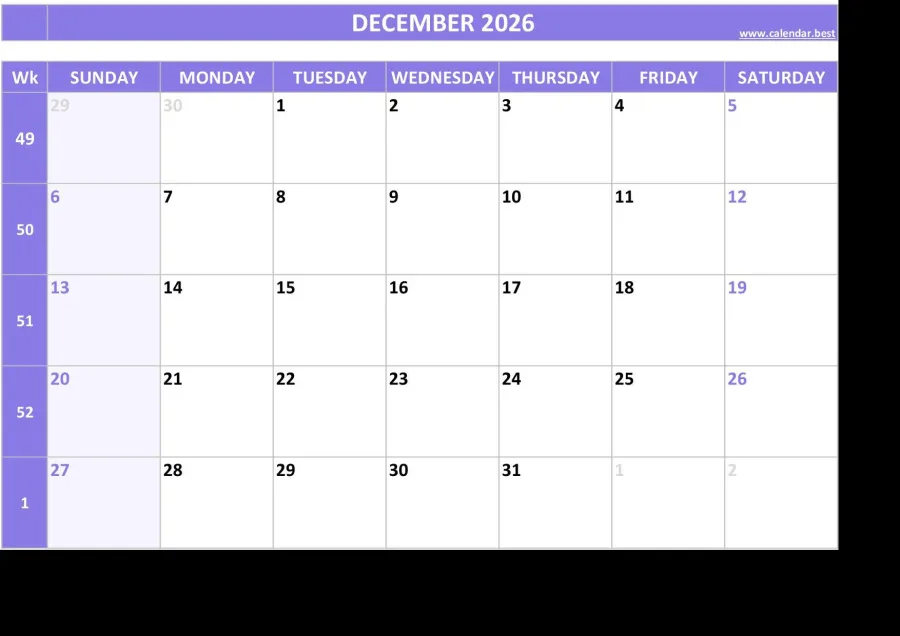
Today is December 8th.
Osamu Dazai has a work titled "December 8th".
December 8th is the day Japan plunged into the Pacific War against the United States.
It was the beginning of a great war that is unimaginable from today's perspective.
It happened 84 years ago.
Osamu Dazai's "December 8th" begins like this.
"Let me write today's diary entry with special care. Let me write down what kind of day a housewife in a poor Japanese household spent on December 8th, Showa 16."
How did the Japanese people spend this day?
This opening tells us that it was a very tense, nerve-wracking day.
What makes Dazai clever is that he makes the narrator of this story a housewife.
At the time of the outbreak of the Pacific War, many men were discussing or agreeing with each other about whether Japan would win or lose against America, but they could not publicly say that Japan might lose.
They could not even say it in private.
Much less could they write it in a novel.
Writers were only allowed one option: that Japan would win.
If one were to write or talk about Japan losing, they would be arrested by the Special Higher Police or the military police and subjected to torture.
But Dazai made the narrator a housewife.
For a housewife, it would be a very natural setting to write down the day's events with a prayer-like feeling for the future of Japan, rather than thinking about winning or losing.
Of course, this is merely a reflection of the gender consciousness of the time; today, it would be natural for both men and women to express their individual opinions about whether Japan will win or lose.
Even so, what a special day it was, one that a housewife in an ordinary Japanese home felt compelled to sharpen her senses and record in her diary.
It is certain that many Japanese people greeted this day with a sense of excitement.
Society and the times have changed too much for us in later generations to fully grasp the weight of this day.
However, if we look at Ukraine or Gaza, it is certainly not a story from the distant past.
Incidentally, Dazai did not seem to believe that Japan would win, and he wrote somewhere that it is the nature of children and citizens to follow their parents or their country, no matter how old and decrepit the parents become or how defeated the country may be.
There is a sentimental aesthetic there that is typical of Dazai.
A profound sadness that has stopped judging whether something is wise or not.
Perhaps it is because of the era when there was too little information.
We cannot imitate Dazai's sentimentality, but what should we do in this modern age where there is too much information?
How can we acquire wise judgment?
We are still groping in the dark.