Jikon is a sake brand launched in 2005 by Kiyasho Shuzo in Nabari City, Mie Prefecture. It is characterized by a flavor profile that balances fruit-like aromas, fresh sweetness, and clean acidity, and it is currently one of the most representative examples of a hard-to-find sake brand. Even so, the brewery's list price for a 720ml bottle of Tokubetsu Junmai is in the range of around 2,000 yen.
In this article, as a Sake Diploma, I have compiled the brewery's history and brewing philosophy, the specifications and list prices from Tokubetsu Junmai to Junmai Daiginjo, the reasons why it is so hard to obtain, practical steps for buying it at list price, and five alternatives for days when you cannot buy Jikon. Please read until the end.
What kind of sake is Jikon?
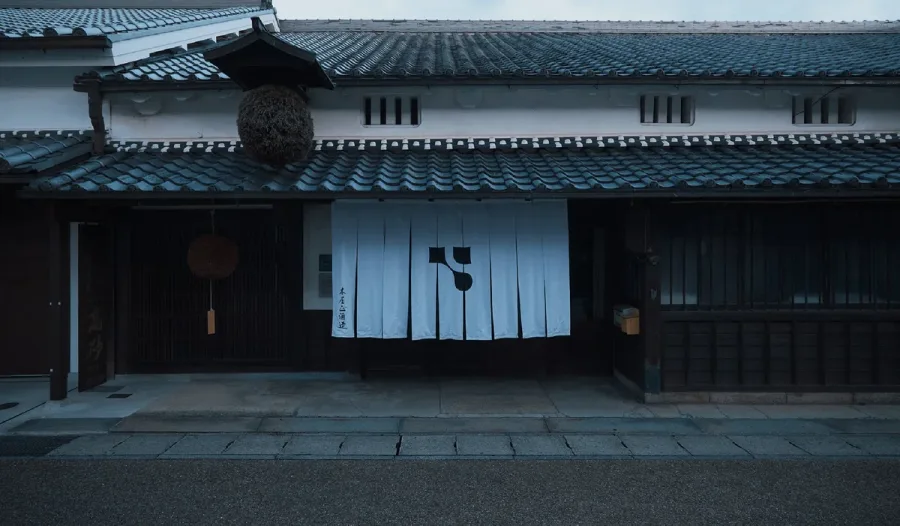
Jikon is a brand launched by a brewery founded in 1818 (the first year of the Bunsei era) when it transitioned to the sixth generation. It is a combination of a two-hundred-year-old brewery and a twenty-year-old brand.
Launched in 2005 by Kiyasho Shuzo in Nabari, MieJikon is brewed by Kiyasho Shuzo in Honmachi, Nabari City, Mie Prefecture. The brewery was founded in 1818, and the Jikon brand was born in 2005.
It was launched by the sixth-generation owner, Yoshiyuki Onishi. After graduating from the Faculty of Science and Engineering at Sophia University and working at Snow Brand Milk Products, he studied brewing at the National Research Institute of Brewing in 2002, trained for two years under a Tajima Toji who had supported the brewery for 40 years, and took over as Toji in 2004.
Nabari is a castle town in the Iga region and is not a major sake-producing area. A new brand from that small brewery has become a nationally recognized, hard-to-find brand in twenty years. This is where Jikon stands today.
The name comes from a Zen phraseThe name Jikon is taken from a Zen phrase meaning to live in the present moment to the fullest, without being bound by the past or the future. It is said to be derived from the words on a scroll that hung in the brewery's tatami room.
At the turning point of the generational change, they chose this phrase as their new banner instead of the two-hundred-year-old brewery's name. The details of the brewing process will be summarized in the next chapter.
It is scarce because the brewery does not increase production volumeKiyasho Shuzo is a small brewery, and there is a limit to the amount they can produce. Even after gaining popularity, they have not changed their stance of producing only within the range that allows them to maintain quality.
This limited supply, combined with nationwide demand and the portions secured by restaurants mentioned later, creates a situation where it sells out before it even hits store shelves.
What are the characteristics of Jikon's brewing?
The pillars of their brewing are the water of Nabari, sake rice selected by production area, and thorough temperature control. I will organize this within the scope of what has been made public.
Brewed with medium-soft water, the underflow water of the Nabari RiverThe brewing water is underflow water from the Nabari River drawn from the brewery's well, and the water quality is medium-soft water.
The water quality is soft, as it does not cause fermentation to proceed as aggressively as hard water, which leads to a smooth mouthfeel. Jikon's fresh sweetness and lack of harsh edges are inseparable from this water.
Rice is selected from famous production areas, with a focus on Yamada Nishiki from IgaThe sake rice is primarily Yamada Nishiki from Iga, but they also use a variety of sake rice from across the country for each brand, including Omachi, Hattan Nishiki, Senbon Nishiki, Gohyakumangoku, Aiyama, and Sake Mirai.
Some top-tier classes use 100% Yamada Nishiki from the Yoshikawa district, which is a special A-grade area, and the Omachi rice is contract-grown in the Akaiwa district of Okayama Prefecture. The Junmai Ginjo series, which changes its character depending on the rice, is built upon this ability to procure high-quality rice.
They also work with Kimoto brewing and have a reputation for pasteurizationIn addition to their standard brewing methods, they are also working on Kimoto brewing for their Akaiwa Omachi.
Another strength is their pasteurization technique. While the brand is known for the freshness of its unpasteurized sake, the pasteurized versions also have a finish that clearly contrasts umami and a sharp finish, a quality that is also praised by liquor stores.
They use a combination of machines and manual labor, and store at minus 4 degrees CelsiusMr. Onishi says that while it may seem like people make the sake, it is actually the microorganisms that make it, and humans are there to create an environment where the microorganisms can easily pass the baton to the next stage. The brewery's operations follow this philosophy, with a policy of leaving repetitive tasks to machines and focusing human effort on processes that require human intuition.
The brewery is equipped with a minus 4 degree Celsius storage room and even a room for removing condensation from bottles. This reflects their belief that quality includes temperature control even after pressing.
What are the varieties and prices of Jikon?
The lineup consists of three tiers: Tokubetsu Junmai, Junmai Ginjo, and Daiginjo class. The specifications and estimated list prices are listed below.
Tokubetsu Junmai as a benchmarkTokubetsu Junmai is the benchmark for Jikon, with a rice polishing ratio of 60% and an alcohol content of 16%. There are variations including pasteurized, unpasteurized (muroka nama), and nigori. The brewery does not disclose detailed figures such as the Sake Meter Value (Nihonshudo).
The list price for a 720ml bottle is generally in the 2,000 yen range. This class also has the largest gap with market prices, so online prices should be viewed as separate from the brewery's pricing.
Junmai Ginjo, where the character changes with the riceJunmai Ginjo changes its character depending on the sake rice used, with varieties such as Yamada Nishiki, Omachi, Hattan Nishiki, and Senbon Nishiki available. Both Yamada Nishiki and Omachi have a rice polishing ratio of 50% and 16% alcohol content.
Since it is the same brewery and the same polishing ratio but with different rice, comparing them allows you to directly taste the individuality of the rice. Yamada Nishiki is elegant, while Omachi has more depth. This also fluctuates depending on the year.
Daiginjo and Junmai Daiginjo classThere is an even higher class of Daiginjo and Junmai Daiginjo, and shipment volumes are even more limited. There is almost no opportunity to encounter them in general distribution.
A more realistic way to encounter them is by the glass at restaurants that focus on sake. I think waiting for an encounter is more realistic than chasing after this class.
Why is Jikon so hard to get?
The answer is supply and demand. Limited production volume is compounded by demand from across the country and allocations secured by restaurants.
Production volume cannot keep up with demandThe fundamental structure is that orders from all over the country are concentrated on the limited shipments from a small brewery.
Since the amount that can be produced is predetermined, as popularity rises, only the competition rate per bottle increases.
Restaurants secure a large portionOf the limited shipments, a significant percentage is secured by restaurants for their own use. The amount that goes to general liquor stores is reduced accordingly.
Therefore, the reality is that it is easier to drink it than to buy it. At izakayas or kappo restaurants that focus on sake, you can try it by the glass.
There is a gap between the list price and the online retail priceThe brewery's list price for a 720ml bottle of Tokubetsu Junmai is around 2,000 yen, but online, it may be priced higher. The difference is a market price born from supply and demand, and is separate from the brewery's pricing.
If you are not in a hurry, the realistic approach is to use the authorized dealer route mentioned next; if you have a specific date for a gift, it is realistic to check the market price and then buy it online.
How can I buy Jikon at the list price?
There are three realistic paths. All of them start with authorized dealers.
Find an authorized dealerJikon uses an authorized dealer system. The starting point is to inquire with the brewery to confirm nearby retailers.
At authorized dealer storefronts, it is sold at the list price, but it often sells out on the day it arrives, and most stores do not sell it online. The old-fashioned way of buying—getting to know the staff while purchasing other brands at the store—still fits the current reality.
Follow lotteries and arrival informationDepending on the authorized retailer, sales may be conducted via lottery or with specific purchase conditions. This is a measure against reselling, and the methods vary by store.
Since arrival times also vary by store, it is most reliable to follow the social media accounts or email newsletters of the stores you are interested in.
Drink it soon after purchaseJikon is not a sake intended for aging; the state intended by the brewery is at the time of shipment. Once you obtain it, it is recommended to open it as soon as possible.
In particular, the Muroka Nama (unfiltered raw) type is refrigeration required and changes quickly. Please store it in the refrigerator and aim to finish it within about a week after opening.
6 Recommended Jikon Selections Chosen by a Sake Diploma
Here are some Jikon varieties available on Amazon, categorized for your reference. As this is a hard-to-find brand, stock and prices fluctuate significantly depending on the season. Please keep the approximate retail price (around 2,000 yen for a 720ml bottle) in mind and make your own judgment when choosing.
Jikon Tokubetsu Junmai Hi-ire 720ml <Tokubetsu Junmai>Rice polishing ratio 60%・16% ABV. This is the benchmark for Jikon, with a stable quality achieved through pasteurization.
If you are trying Jikon for the first time, start with this. It is the class that most clearly displays the three elements of fruity aroma, fresh sweetness, and clean acidity. At 10–15°C in a wine glass, you can even pick up the aroma.
▶︎Search on Rakuten Ichiba
Jikon Tokubetsu Junmai Hi-ire 720ml <Tokubetsu Junmai>This is a different listing for the same Tokubetsu Junmai Hi-ire. Jikon's label and character change depending on the bottling period.
The nature of this brand is that the flavor shifts depending on the year and bottling date even with the same specifications, so you will have to choose from the listings you find. Before buying, just check how far the price is from the retail price range.
▶︎Search on Rakuten Ichiba
Jikon Tokubetsu Junmai Muroka Nama 720ml (in Paulownia box) <Tokubetsu Junmai / Muroka Nama>This is an unpasteurized, unfiltered raw sake. Refrigeration required, and this listing comes in a paulownia box.
The way the aroma rises the moment you open it is the biggest difference from the pasteurized version. Put it in the refrigerator as soon as it arrives, and after opening, try to finish it within about a week while tracking the changes over the first 2–3 days.
▶︎Search on Rakuten Ichiba
Jikon Tokubetsu Junmai Nigori-zake 1800ml <Tokubetsu Junmai / Nigori>A Tokubetsu Junmai Nigori, in a 1.8L bottle. It has a creamy mouthfeel and a distinct sweetness from the rice.
Even for a Nigori, the aftertaste is clean, which is typical of Jikon. It shows a completely different side compared to the clear Jikon. Since it comes in a large volume, it is perfect for days when people gather.
▶︎Search on Rakuten Ichiba
Jikon Junmai Ginjo Yamada Nishiki (Pasteurized) 720ml <Junmai Ginjo>A Junmai Ginjo polished to 50% with Yamada Nishiki, at 16% ABV. It is one of the most refined bottles among the Jikon lineup.
For those who liked the Tokubetsu Junmai, this is the next bottle to try. Because the well-balanced profile of Yamada Nishiki is layered with Jikon's fruity character, it is best enjoyed slowly in a wine glass.
▶︎Search on Rakuten Ichiba
Jikon Junmai Ginjo Omachi Nama 720ml <Junmai Ginjo, Nama>A Nama (unpasteurized) type of Junmai Ginjo, polished to the same 50% using Omachi rice from Okayama. It requires refrigeration.
When placed side-by-side with the Yamada Nishiki, since the polishing ratio is the same, the difference emerges directly as the character of the rice. Omachi tends to have more depth and fullness. If you want to compare different rice varieties, this is the pair to choose.
▶︎Search on Rakuten Ichiba
5 Alternatives for When You Can't Get Jikon
The appeal of Jikon lies in the balance of its fruity aroma, fresh sweetness, and clean acidity. I have selected 5 bottles that share the same direction and are easy to obtain at retail price.
Zaku Megumi no Tomo Junmai Ginjo 720ml <Junmai Ginjo>A Junmai Ginjo from Shimizu Seizaburo Shoten, the same brewery in Mie as Jikon. At the 2018 SAKE COMPETITION, it won first place in the Junmai Ginjo category, where 50% and 55% polished rice usually compete, despite having a rice polishing ratio of 60%.
With an aroma reminiscent of pear and a full-bodied flavor, its intended direction is very close to Jikon. Furthermore, since it is available at retail price, I recommend it as the top candidate for days when you cannot buy Jikon.
▶︎Search on Rakuten Ichiba
Zaku Miyabi no Tomo Junmai Ginjo 720ml <Junmai Ginjo>A higher-grade Junmai Ginjo from the same brewery as Megumi no Tomo. The density when you take a sip is clearly different.
If you like the Zaku brewery through Megumi no Tomo, try this next. It is suitable for special dining occasions or as a small gift.
▶︎Search on Rakuten Ichiba
Kamoshibito Kuheiji Junmai Daiginjo Yamada Hi-ire 720ml <Junmai Daiginjo>The flagship brand of Banjo Jozo in Aichi. Brewed with a focus on acidity, it features a profile reminiscent of white wine combined with the sweetness of rice.
For those who like the clean acidity of Jikon. The price, which is accessible for a Junmai Daiginjo class sake, also makes it a good substitute. Please enjoy it in a wine glass.
▶︎Search on Rakuten Ichiba
Hououbiden Junmai Ginjo Muroka Hon-nama 720ml <Junmai Ginjo / Muroka Nama>The signature sake of Kobayashi Shuzo in Tochigi. It is a Muroka Hon-nama (unfiltered, unpasteurized) sake with a distinct fruity aroma, and it requires refrigeration.
For those who like Jikon's Muroka Nama. The freshness and the way the sweetness develops are similar, and since the flavor profile changes a few days after opening, you can enjoy those nuances as well.
▶︎Search on Rakuten Ichiba
KID Muryozan Junmai Ginjo 720ml <Junmai Ginjo>A premium line from Heiwa Shuzo in Wakayama. It features a soft sweetness and a clear finish.
For days when you want a bottle that is guaranteed to be good. As it is a series one step above the standard KID, it can also be used as a gift.
▶︎Search on Rakuten Ichiba
Summary of reviews and evaluations of Jikon
Evaluations of Jikon are divided into two: support for its taste and frustration over its unavailability.
Highly rated pointsThe sweetness reminiscent of fruit and the transparency in the finish. This balance is at the heart of its high evaluation.
It is often cited as one of the brands that changed the trends in sake, and it is treated as a flagship brand on the lists of restaurants that focus on sake.
On the other hand, it is sometimes said thatThere is deep-seated frustration regarding the fact that it cannot be bought at the list price. Because the circulation of premium prices has become the norm, it is sometimes perceived that while the taste is acknowledged, the price is not commensurate.
You may also see calm opinions suggesting that its popularity has run ahead of its actual quality, leading to overvaluation.
What is the best way to drink Jikon?
Temperature range 10-15°C, using a wine glass, and consuming within 2-3 days after opening. These are the three points you should be especially careful about.
Do not over-chillJikon is best suited for a cool temperature of 10-15°C. At around 5°C, straight out of the refrigerator, its characteristic sweetness and aroma remain closed off.
Take it out of the refrigerator and let it sit for 10 minutes. This alone will change how the aroma develops.
Open it up in a wine glassSince its characteristic is a fruity aroma, pouring small amounts into a wide-mouthed glass allows you to pick up the scent. In a small sake cup (choko), the aromatic elements tend to escape easily.
Drinking it slowly, including the changes in temperature as it warms up in the glass, is the best way to enjoy this sake.
Enjoy the changes after openingFor the unpasteurized (nama) types, the flavor unfolds over 2-3 days after opening. It is quite common to find that you prefer the taste on the second day over the first.
Keep it refrigerated and aim to finish it within about a week. Please just be aware that unpasteurized sake changes quickly.
Frequently asked questions about Jikon
Q. What is the retail price of Jikon?A. The brewery's retail price for a 720ml bottle of Tokubetsu Junmai is around 2,000 yen. While you may see higher prices online, these are market prices driven by supply and demand and are separate from the brewery's pricing.
Q. How can I buy Jikon at the retail price?A. The starting point is to contact the brewery to find authorized retailers. Sales methods vary by store—such as in-store sales only, lotteries, or purchase conditions—so keep a close eye on their stock updates.
Q. What does Jikon taste like?A. It is characterized by a balance of fruit-like aroma, fresh sweetness, and clean acidity. It is not heavy and has a lightness that makes it easy to drink.
Q. Are there any other sakes with a flavor similar to Jikon?A. Zaku, also from Mie Prefecture, is the closest in style. Other recommendations include Kamoshibito Kuheiji, Hououbiden, and Kid, as they share a similar direction in aroma and sweetness.
Q. Does Jikon taste better if aged?A. It is not a sake intended for aging. Especially with the Muroka Nama (unfiltered raw) versions, the flavor changes quickly, so it is recommended to drink it as soon as you get it.
Q. How do you read and what is the meaning of Jikon?A. It is read as "Jikon." The name is taken from a Zen phrase meaning to live in this very moment, without being caught up in the past or the future.
Summary | Jikon: A Sake Defined by Its Scarcity
Jikon is a brand launched in 2005 by Kiyasho Shuzo in Nabari, Mie. The reason it is so hard to find is simply that a small brewery produces only as much as it can while maintaining quality, and national demand far exceeds that.
There are three things to remember. First is the list price: a 720ml bottle of Tokubetsu Junmai is generally around 2,000 yen. Second is how to buy: use authorized retailers for list prices, or online shops if you are in a hurry, after checking the market price. Third is how to drink: serve at 10–15°C in a wine glass.
As a sake to drink while you wait, start with Zaku from the same Mie Prefecture. Both are exceptionally delicious sakes.
I will continue to do my best to provide useful information. If you liked this article, please give it a like or follow me.
Related ArticlesTo learn about Zaku from the same Mie region: What is Zaku? A Thorough Guide to the Brand's History, Varieties, Recommended Labels, Pricing, and How to Enjoy It
For Aramasa, another modern-style sake: What is Aramasa? A Thorough Guide to Its Varieties, Pricing, How to Obtain, and the Appeal of No.6 and Colors
Hana-abi also shares a similar lineage: What is Hana-abi? A Thorough Guide to Its Varieties, Recommended Labels, Pricing, and How to Drink It
Kiyasho Shuzo Official Website — Jikon and Takasago lineup, product images
Kiyasho Shuzo | Wikipedia — Founding year, background of the 6th generation owner
Nabari Chamber of Commerce and Industry | Long-standing Companies in Nabari: Kiyasho Shuzo — Brewery history as local documentation
Wine Grocery | Visit to Kiyasho Shuzo — Production site, philosophy of the brewery owner
Sakenomy | Kiyasho Shuzo — Brewery data, list of labels
List of SAKE COMPETITION 2018 award-winning sake — Zaku Megumi no Tomo ranked 1st in the Junmai Ginjo category