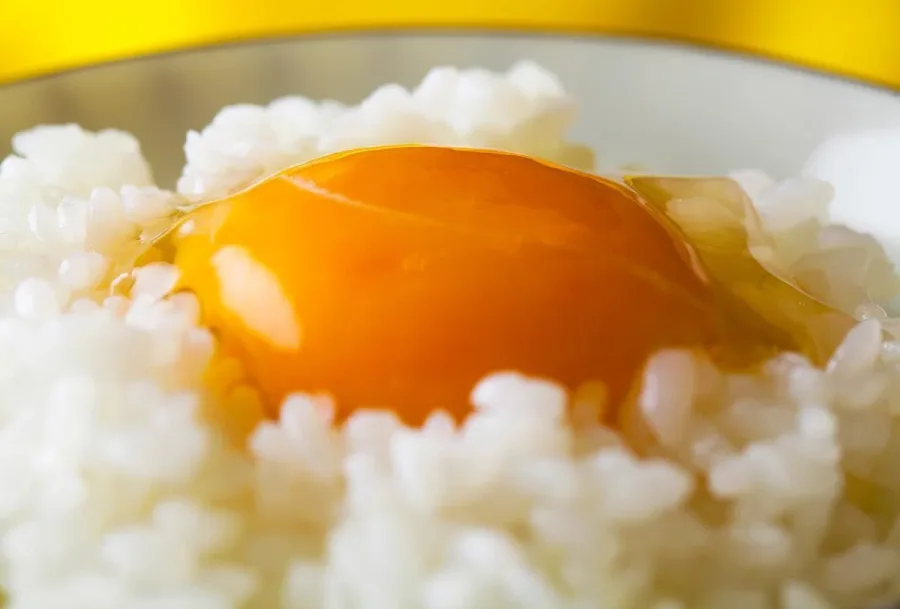
Eggs are an ingredient that is easy to incorporate into your diet because they are available year-round and are affordable. They are versatile in cooking and blend well with any Japanese, Western, or Chinese dish, so many people likely eat them almost every day.
Such eggs contain a well-balanced variety of nutrients, including high-quality protein, lecithin, iron, zinc, and carotenoids in the yolk. Since they are also low in carbohydrates, they are an easy ingredient to incorporate into your diet while losing weight if you are mindful of how you prepare them. This article explains in detail the nutrients contained in eggs, their effects and benefits, and recommended cooking and storage methods.
Egg sizes and types
Eggs are categorized by weight into LL, L, M, MS, S, and SS sizes, and the standards are as follows (1).
LL: 70–76g
L : 64–70g
M : 58–64g
MS: 52–58g
S : 46–52g
SS: 40–46g
Studies have reported that the larger the size, the more egg white there tends to be, while the difference in the size of the yolk is small depending on the size (2). You can choose different sizes depending on your cooking needs, such as choosing larger eggs when you want to use more egg white, or smaller eggs when you want to prioritize the ratio of yolk.
Nutritional components of eggs (per 100g)Energy: 142kcal
Water : 75.0g
Protein : 12.2g
Fat : 10.2g
Carbohydrates : 0.4g (0.4g sugar)
Potassium : 130mg
Calcium : 46mg
Folate : 49μg
Vitamin C : 0mg
Dietary fiber : 0g
The energy per medium-sized egg (edible portion approx. 50g) is about 71kcal.
Main nutrients and their effects and benefits
In addition to protein, which is the foundation of body building, eggs contain characteristic components such as lecithin and unsaturated fatty acids found in lipids, minerals like iron and zinc, and carotenoids in the egg yolk. Let's look at the function of each.
ProteinThis is a nutrient that serves as the material for building body tissues such as muscles, blood, and skin, and also functions as a component of enzymes and hormones (5). Eggs contain a well-balanced profile of essential amino acids, and their amino acid score is a perfect 100. This value is on par with milk and meat, which is one of the reasons why eggs are called a "high-quality protein source".
LecithinThis is a phospholipid mainly contained in egg yolk, and is a component that constitutes cell membranes and nerve tissue. Its role in balancing cholesterol in the blood and supporting liver function has been reported (6).
Linoleic acidThis is a type of essential fatty acid that cannot be synthesized in the body. While it is expected to have the effect of lowering LDL (bad) cholesterol in the blood, it is a component for which research is ongoing regarding the effects of excessive intake (7).
Oleic acidThis is an unsaturated fatty acid that is said to lower LDL (bad) cholesterol while making it easier to maintain HDL (good) cholesterol (8).
ZincThis is a mineral involved in the synthesis of DNA and protein, and the maintenance of immune function (9). It is considered one of the minerals that is easily deficient, and eggs are a convenient source of replenishment.
IronThis is a mineral that serves as the material for hemoglobin in red blood cells and supports the function of transporting oxygen throughout the body (10).
CalciumA mineral that is the main component for building bones and teeth. It has been linked to the decline in bone density associated with aging and menopause, making it a nutrient you should be conscious of consuming daily (11).
Egg yolk carotenoidsThe pigment that gives egg yolks their yellow color, it is a type of phytochemical with antioxidant properties. Through its role in suppressing oxidative stress in the body, it has been shown to potentially help prevent arteriosclerosis and aging (12). Note that the intensity of the yolk's color is primarily derived from the feed and does not indicate a significant difference in nutritional value (4).
Recommended ways to cook eggs
The way you cook eggs changes how you absorb their nutrients and how easily they are digested. Here are some recommended ways to eat them and tips for storage.
Raw ()You can consume B-complex vitamins, which are sensitive to heat, without losing them. This is recommended when you can handle fresh eggs hygienically, such as in raw egg over rice or as beaten egg for sukiyaki.
Pan-frying/Stir-frying ()Cooking with oil increases the absorption of fat-soluble vitamins (A, D, E, and K). This is suitable for fried eggs, omelets, and stir-fries.
Boiling ()Since some water-soluble nutrients dissolve into the cooking water, if you want to consume all the nutrients, dishes where you can eat the liquid, such as soups or steamed egg custard, are recommended.
Because eggs do not contain dietary fiber or vitamin C, combining them with vegetables or mushrooms makes it easier to balance your nutrition. Spinach omelets or vegetable-rich egg drop soup are excellent pairings.
How to store eggs
The ease of maintaining freshness depends on how you store eggs. Here are some recommended storage methods.
RefrigerationStorage at 10°C or below is recommended. You can maintain freshness better by placing them in the back of the refrigerator where the temperature is more stable, rather than in the door pocket.
FreezingFreezing raw eggs in their shells is not recommended due to hygiene concerns and the fact that the shells crack easily. It is appropriate to freeze them after cooking, such as by boiling or scrambling them.
Summary
Eggs are a convenient and affordably priced food that contains a wide range of nutrients, including high-quality protein, lecithin, iron, zinc, and egg yolk carotenoids. They have a perfect amino acid score of 100, are low in carbohydrates, and are easy to use. On the other hand, since they do not contain dietary fiber or vitamin C, why not try incorporating them into your daily diet in a balanced way by combining them with vegetables?
Frequently Asked Questions (Q&A)
Q1. Is there a difference in nutrition between white eggs and brown eggs?
A. There is no significant difference in nutritional value. The color of the shell is determined by the breed of the chicken (the color of its feathers) and does not indicate a difference in nutrition (1).
Q2. Are fertilized eggs more nutritious than unfertilized eggs?
A. It is considered that there is no clear difference in nutritional terms, only the difference in whether they are fertilized or not (3).
Q3. Does a darker yolk color mean higher nutritional value?
A. The color of the yolk is mainly derived from the chicken's feed, and the intensity of the color is not necessarily proportional to the nutritional value (*4).
Q4. Are eggs suitable for dieting?
A. With about 71 kcal per medium-sized egg and low carbohydrate content, they contain high-quality protein, making them an easy food to incorporate into a diet if you are mindful of how you eat them.
However, since they do not contain dietary fiber or vitamin C, it is recommended to combine them with vegetables.
Q5. I heard eggs are called a "complete nutritional food"; is that true?
A. They are sometimes called that because they contain essential amino acids in a balanced manner and have an amino acid score of 100. However, since they do not contain vitamin C or dietary fiber, eggs alone cannot fulfill all nutritional requirements.